
"Cuban Blue Mountain"
500 article(s) found

Introduction to the flavor description and processing methods of Cuban Crystal Mountain Coffee with uniform taste
In Cuba, most of the coffee beans are picked by hand. Coffee beans are picked about every half a month during the ripening period. During or after picking, coffee beans are classified and those immature and bad beans are removed to ensure the quality of the coffee. Cubans usually deal with coffee beans in two ways: sun exposure and water washing. Sunbathing is the easiest,

Introduction of Cuban Crystal Coffee, which is known as "unique Caribbean flavor coffee".
In Cuba, most of the coffee beans are picked by hand. Coffee beans are picked about every half a month during the ripening period. During or after picking, coffee beans are classified and those immature and bad beans are removed to ensure the quality of the coffee. Cubans usually deal with coffee beans in two ways: sun exposure and water washing. Sunbathing is the easiest,

The origin of Cuban Crystal Mountain Coffee Why Crystal Mountain is also known as "the Blue Mountain of Cuba"
The history of the cultivation of Cuban coffee in 1748, coffee was introduced into Cuba from Domiga, but the coffee industry did not begin until 1791 after the French immigrants entered. By 1827, there were about 2000 coffee farms on the island. Coffee surpassed the sugar industry as a major export product. Due to historical and political reasons, the ownership of coffee cultivation experienced the process of private ownership and nationalization. 1953-19

Introduction to fine coffee in manor area with delicate and smooth taste of Cuban crystal coffee
The country is divided into 15 provinces, one special zone, and 168 cities under the province. [3] the names of the provinces are as follows: Pinar del Ro, Artemisa, Mayabeque, Provincia de la Habana, Matanzas, Cienfuegos, Cienfuegos,

Cuban Crystal Coffee Premium Coffee Coffee Bean Flavor Taste Manor Features Introduction
It covers an area of 109884 square kilometers,[3] of which Cuba Island is 104,555.61 square kilometers and the surrounding islands and reefs are 3,126.43 square kilometers. Cuba is located in the northwest Caribbean Sea, facing Haiti to the east, 140 kilometers south of Jamaica and 217 kilometers north of the top of the Florida Peninsula. Cuba consists of more than 1600 islands such as Cuba Island and Youth Island (formerly Pine Island), which is the West Indies.

How to cook Cuban coffee?
Professional coffee knowledge exchange More coffee bean information Please pay attention to coffee workshop (Weixin Official Accounts cafe_style) Cuba familiar and distant country, familiar with Cuba baseball team often wins the world championship of all levels of baseball, distant Cuba on the other side of the earth beautiful Caribbean Sea, coffee and other Cuban agriculture are unified management of the state, often with banana sugar cane

Elegant, tender Cuban Crystal Mountain coffee flavor varieties Introduction
The country is divided into 15 provinces and 1 special zone, with 168 cities under each province. [3]The names of the provinces are as follows: Pinar del Ro, Artemisa, Mayabeque, Provincia de la Habana (capital city, provincial municipality), Matanzas, Cienfuegos,

Cuban coffee Cubita Amber Coffee unique Caribbean flavor coffee
Professional coffee knowledge exchange more coffee bean information please follow the coffee workshop (Wechat official account cafe_style) Cuban coffee in 1748, coffee was introduced to Cuba from Domiga, since then Cuba began to grow coffee. As an important social tool, Cuban coffee is common in American coffee, but Cuban coffee with typical exotic island flavor is not really ancient.

Cuban Crystal Mountain Coffee flavor and taste, Cuban Crystal Mountain Coffee planting conditions
Following Cafe Review (Wechat official account vdailycom) found that the beautiful cafe opened its own shop, Cuban Crystal Mountain Coffee (Cubita Coffee), which has a slightly wine-like bitterness and a hint of sweetness, and even a hint of tobacco, delicate and smooth, refreshing and elegant, almost perfect. Known as the noble and elegant princess in coffee. General coffee tastes like heavy metal

Special Coffee beans in Island Coffee beans-introduction of Coffee producing areas in Cuba
Cubita is Cuban coffee, which is mainly exported to Japan, France, Germany, Ireland, Canada and other countries. The cubita coffee entering the Chinese market is all selected from the pollution-free Crystal Mountain coffee beans in the high altitude areas of Cuba, which is a typical Caribbean coffee bean. All the granules of coffee beans are strictly selected according to the standard of sieve 17-19, and the selected coffee beans have large particles and high maturity.

Climatic conditions of Cuban Crystal Mountain, Cuban Crystal Mountain Coffee taste
Following caf é (Wechat official account vdailycom) found that Beautiful Cafe opened a small shop of its own in Cuba. With fertile land, humid climate and abundant Rain Water, it can be called a natural treasure land for coffee cultivation. The suitable natural conditions provide a favorable natural environment for the growth of coffee trees. Coffee is well planted and developed here. The best coffee growing area in Cuba is located in the Central Mountain.

Unique characteristics: introduction of noble, tender and elegant Cuban crystal coffee
Unique characteristics: Noble, tender, elegant Cubita are produced from the pollution-free Crystal Mountain Coffee in the high altitude areas of Cuba, which is adjacent to the Blue Mountain Mountains of Jamaica, with similar climatic conditions, comparable to Jamaican Blue Mountain Coffee. Crystal Mountain is also known as the Blue Mountain of Cuba. So there are a lot of coffee under the banner of the Blue Mountains of Cuba, but the most pure Crystal Mountain coffee Cu

Introduction to the varieties of Cuban Crystal Mountain Coffee with rough Fruit flavour and Flavor
At present, Jingshan coffee is very precious. This is mainly for two reasons. The first reason is the economic sanctions imposed by the United States against Cuba and the non-opening up of Cuban imports. The second reason is that at present, Cuban coffee beans are mostly acquired by the French and Japanese markets, especially Japan, so it is difficult to buy coffee beans directly from Cuba. Still, Cuban coffee

Cuban Crystal Mountain Coffee: with wine-like bitterness and light sweetness
Following Cafe Review (Wechat official account vdailycom) found that the beautiful cafe opened its own shop, Cuban Crystal Mountain Coffee (Cubita Coffee), which has a slightly wine-like bitterness and a hint of sweetness, and even a hint of tobacco, delicate and smooth, refreshing and elegant, almost perfect. Known as the noble and elegant princess in coffee. General coffee tastes like heavy metal
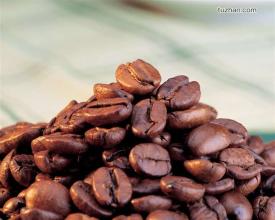
Cuban Crystal Mountain Coffee Fine Coffee beans Cubita Cuban Crystal Mountain Coffee beans
Cubita is made entirely of coffee beans from Crystal Mountain in Cuba and has a high reputation in the coffee industry. Crystal Mountain is adjacent to the Blue Mountain Mountains of Jamaica, with similar climatic conditions, comparable to Jamaican Blue Mountain coffee beans. Adhere to the principle of perfecting coffee and only make individual coffee. All the particles of coffee beans are strictly selected according to the standard of sieve 17-19. The coffee beans screened have large particles and high maturity.

It is known as "unique Caribbean flavor coffee" and "special coffee beans in island coffee beans".
Cuba is like a crocodile crouching in the Caribbean, her tail brushing right on the Tropic of Cancer. Cubans have always been known for their enthusiasm, but they are also very sincere and stubborn. The same is true of their coffee, which has always been carried out in accordance with Arab coffee washing standards, and they have always adhered to their unique traditional methods of making coffee, which is extremely extreme in controlling roasting.

Is there any introduction to the taste of Cuban cubita coffee without bitter black coffee?
Professional coffee knowledge exchange more coffee bean information please follow the coffee workshop (Wechat official account cafe_style) front street-Cuba cubita Coffee introduction in Cuba, coffee cultivation is regulated by the state. The best coffee growing area in Cuba is located in the Central Mountains. Because this area not only grows coffee, but also produces precious minerals such as quartz and crystal, it is also known as

Cuban Crystal Mountain Coffee Flavor description Variety characteristics introduction of Fine Coffee with Grinding degree
Cubita is Cuban coffee, which is mainly exported to Japan, France, Germany, Ireland, Canada and other countries. The cubita coffee entering the Chinese market is all selected from the pollution-free Crystal Mountain coffee beans in the high altitude areas of Cuba, which is a typical Caribbean coffee bean. All the granules of coffee beans are strictly selected according to the standard of sieve 17-19, and the selected coffee beans have large particles and high maturity.

Brief introduction of Cuban Crystal Mountain Coffee beans, Cuban Crystal Mountain Coffee beans taste
Following caf é (Wechat official account vdailycom) found that the Beautiful Cafe opened a small shop of its own in Cuba Cubita: coffee was introduced to Cuba from Dominica in 1748, and Cuba has been growing coffee ever since. Cuba is an archipelago in the northern Caribbean Sea. With fertile land, humid climate and abundant Rain Water, Cuba can be called a natural treasure land for coffee cultivation. The suitable natural condition is coffee.

What is the price of Cuban coffee? how does Cuban Crystal Mountain coffee taste?
Professional Coffee knowledge Exchange more information about coffee beans Please follow the coffee workshop (Wechat official account cafe_style) in 1748, coffee was introduced to Cuba from Domiga, and Cuba has been growing coffee ever since. With fertile land, humid climate and abundant Rain Water, Cuba can be called a natural treasure land for coffee cultivation. The suitable natural conditions provide a favorable natural environment for the growth of coffee trees.